Pandesal, soft morning rolls
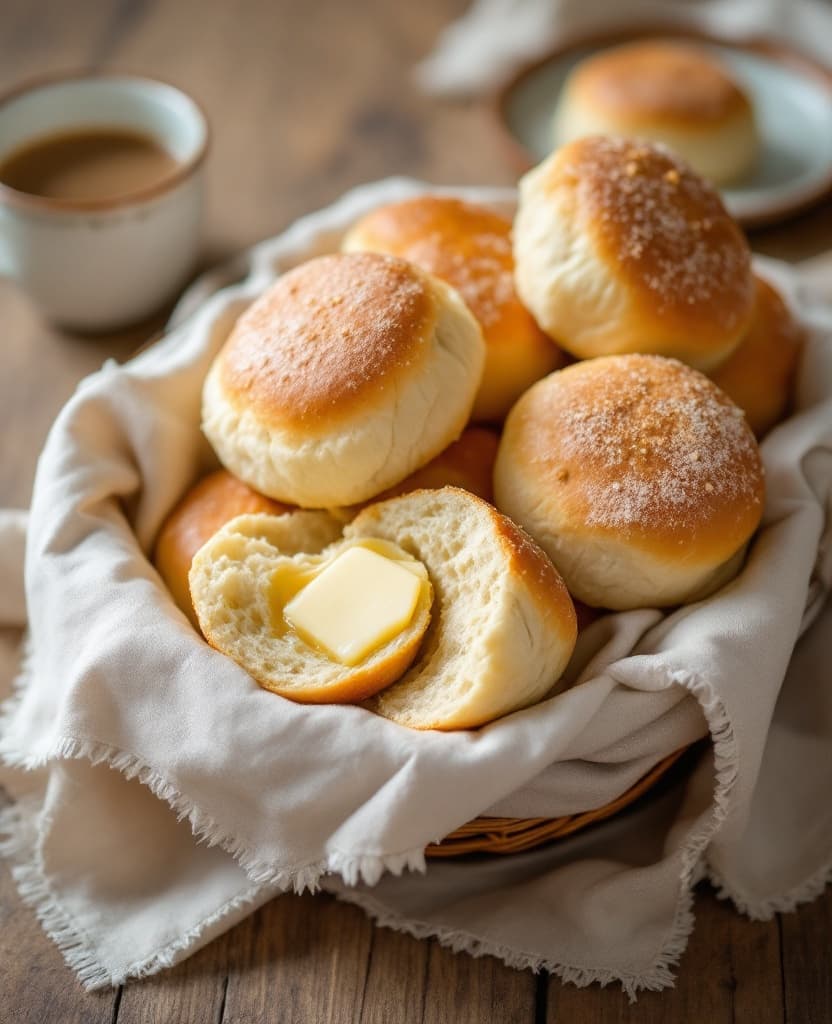
A soft, gently sweet milk dough, cut into stubby rolls, coated in fine breadcrumbs, and baked pale gold. Best pulled apart warm, split with butter, and dipped in sweet milky coffee.
In the Philippines, pandesal is less a recipe than a morning ritual. Bakeries fire their ovens before dawn, and neighbors line up while it is still dark for rolls warm enough to fog the paper bag. The name means bread of salt, a leftover from the Spanish era, though generations of Filipino bakers have nudged it gently sweet. The rolls themselves are simple: a soft milk dough, cut into stubby pieces, rolled in fine breadcrumbs, and baked until just pale gold. Eat them the way they are eaten in Manila: split around cold butter, pressed against a slice of cheese, or dunked straight into hot, sweet coffee.
Method
Wake the yeast.
Warm the milk until lukewarm, no hotter than a comfortable bath. Stir in the yeast with a spoonful of the sugar and let it stand for 5-10 minutes until foamy. If nothing happens, start over with fresh yeast.
Make a soft dough.
Whisk the flour, remaining sugar, and salt in a large bowl. Add the yeasted milk and the egg, and mix until a shaggy dough forms. Knead in the softened butter, then keep kneading for 8-10 minutes until the dough is smooth, supple, and slightly tacky.
Let it rise.
Shape the dough into a ball and set it in a lightly oiled bowl. Cover and leave it somewhere warm for about 1 hour, until doubled in size.
Cut and coat.
Punch down the dough and roll it into two thick logs. Cut each log into 8 stubby pieces with a bench scraper, then roll every piece in the fine breadcrumbs until fully coated. Arrange them cut side up on a lined baking sheet, about an inch apart.
Rise again, then bake.
Cover the rolls loosely and let them puff for 30-45 minutes, until pillowy. Bake at 175C (350F) for 15-18 minutes, until just pale gold. Pandesal should stay blond and soft, never deeply browned.
Serve warm, the Filipino way.
Pull them apart while still warm. Split with cold butter, press around a slice of cheese, or do as generations have done and dunk them straight into hot, sweet coffee. They are at their best within the first hour.
Frequently asked questions
- Why is it called bread of salt when it tastes sweet?
- The name comes from the Spanish pan de sal, and the earliest versions were leaner and saltier. Over the 20th century Filipino bakers gradually sweetened the dough to match local taste, so today only a modest teaspoon of salt remains behind the name.
- Why did my pandesal come out dense?
- Usually one of three things: milk that was too hot and killed the yeast, too much flour worked in during kneading, or a rushed second rise. The dough should feel tacky after kneading, and the shaped rolls should look visibly puffed and pillowy before they go in the oven.
- What kind of breadcrumbs should I use?
- Plain, fine, dry breadcrumbs, the sandy supermarket kind. Panko is too coarse and will not cling properly. You can also blitz stale white bread to fine crumbs and dry them briefly in a low oven.
- Can I make the dough the night before?
- Yes. After kneading, cover the bowl and refrigerate overnight instead of rising at room temperature. In the morning, cut and coat the rolls straight from the fridge, then give them a longer second rise, about 60-75 minutes, before baking.
- What do Filipinos put inside?
- Cold butter and a slice of cheese, either cheddar or fresh kesong puti, are the classics. Coconut jam, peanut butter, and corned beef all have their loyalists. And many skip fillings entirely and simply dunk the roll in hot, sweet coffee.
Rate this recipe
Join the Club to rate →