


Every country has an answer to the same quiet question: what do you eat when the day has just started and nothing has gone wrong yet? The answers are wildly different, tomato on toast in Sevilla, rice porridge in Seoul, custard tarts in Lisbon, and every one of them is somebody's definition of home.
The short answer: the best traditional breakfasts to make at home are the ones built from everyday staples: Spanish tostada con tomate, Thai khao kai jeow, Indian poha, Mexican huevos rancheros and Turkish çılbır can all be on the table in 20 minutes or less. The more ambitious ones, Filipino pandesal or Portuguese pastel de nata, are weekend projects that repay every minute.
At Braffess we have spent years testing the world's morning tables, over a hundred recipes across dozens of countries, all cooked on real, unhurried mornings. This guide picks twelve that translate beautifully to a home kitchen, ordered from the eight-minute entry point to the 45-minute weekend flex.
Key takeawayTraditional breakfasts survive because they are simple: local staples, short ingredient lists, techniques polished by generations. That is exactly what makes them realistic to cook at home, even on a weekday.
The twelve, at a glance
Ordered from easiest to most ambitious. Every dish links to its full tested recipe.
| # | Dish | Country | Time | Level |
|---|---|---|---|---|
| 1 | Tostada con tomate | 🇪🇸 Spain | 8 min | Easy |
| 2 | Khao kai jeow | 🇹🇭 Thailand | 10 min | Easy |
| 3 | Poha | 🇮🇳 India | 15 min | Easy |
| 4 | Huevos rancheros | 🇲🇽 Mexico | 15 min | Easy |
| 5 | Çılbır | 🇹🇷 Turkey | 20 min | Easy |
| 6 | Ogi pap | 🇳🇬 Nigeria | 20 min | Easy |
| 7 | Pão de queijo | 🇧🇷 Brazil | 25 min | Easy |
| 8 | Arepas con quesito | 🇨🇴 Colombia | 25 min | Easy |
| 9 | Juk | 🇰🇷 South Korea | 35 min | Easy |
| 10 | Full Irish breakfast | 🇮🇪 Ireland | 35 min | Easy |
| 11 | Pandesal | 🇵🇭 Philippines | 35 min | Medium |
| 12 | Pastel de nata | 🇵🇹 Portugal | 45 min | Medium |
1. 🇪🇸 Spain · 8 min
Tostada con tomate
What it is: Toasted bread rubbed with grated tomato, olive oil and a pinch of salt, with or without jamón.
It is the fastest entry on this list and the purest example of how far three good ingredients can go. In Andalusia this is breakfast most days of the year, usually next to a café con leche.
2. 🇹🇭 Thailand · 10 min
Khao kai jeow
What it is: A crispy, puffed omelet fried in hot oil, served over rice with a splash of sriracha.
Thai street stalls sell it from dawn onward because it is fast, cheap and endlessly satisfying. The technique, eggs into properly hot oil, is the opposite of a French omelet and a lesson in itself.
3. 🇮🇳 India · 15 min
Poha
What it is: Flattened rice tossed with turmeric, mustard seeds, curry leaves, onion and peanuts.
A weekday staple across central and western India, on the table in fifteen minutes. Light, golden and savory, it shows how a breakfast can be quick without being boring.
4. 🇲🇽 Mexico · 15 min
Huevos rancheros
What it is: Fried eggs on warm corn tortillas under a just-cooked red salsa.
Ranch-country food in the most literal sense: it was built to fuel a working morning. The salsa takes ten minutes and makes the whole dish.
5. 🇹🇷 Turkey · 20 min
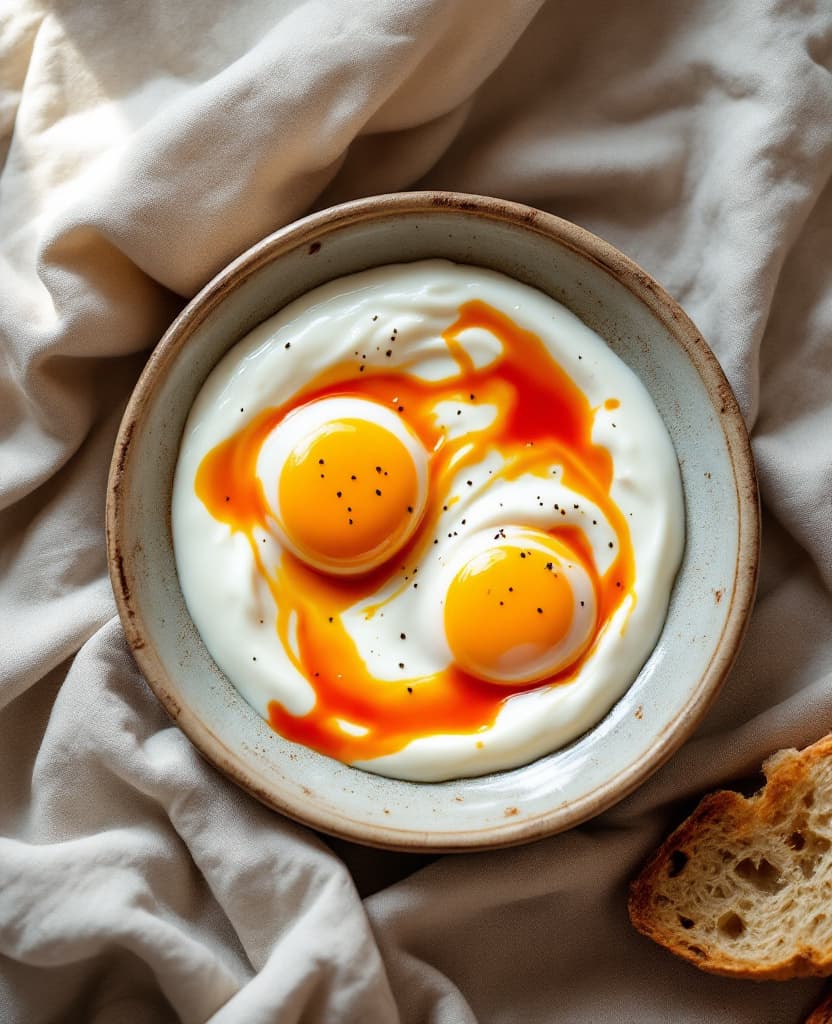
Çılbır
What it is: Poached eggs on garlicky strained yogurt, finished with sizzling Aleppo-pepper butter.
Court records list it among the dishes cooked for Ottoman sultans in the 15th century, and it still reads like a small ceremony: warm against cold, rich against tangy, all in one spoonful.
6. 🇳🇬 Nigeria · 20 min
Ogi pap
What it is: A smooth, gently sour fermented cornmeal porridge, sweetened to taste.
Comfort in a bowl across Nigerian homes, often paired with akara or bread. Its gentle tang is a reminder that porridge does not have to mean oats.
7. 🇧🇷 Brazil · 25 min
Pão de queijo
What it is: Chewy little cheese breads made from tapioca flour, crisp outside and elastic inside.
Born in Minas Gerais and now on café counters across Brazil, usually alongside a café com leite. Naturally gluten-free long before that was a selling point.
8. 🇨🇴 Colombia · 25 min
Arepas con quesito
What it is: Griddled corn cakes split and filled with fresh soft cheese and butter.
The daily bread of Colombian mornings, cooked on a hot plate until freckled. The smell of an arepa toasting is a national alarm clock.
9. 🇰🇷 South Korea · 35 min
Juk
What it is: A slow-simmered rice porridge, silky and restorative, topped with sesame and scallion.
Juk is what Korean kitchens make when someone needs looking after. The 35 minutes are almost entirely hands-off simmering, which makes it slower in the best sense.
10. 🇮🇪 Ireland · 35 min
Full Irish breakfast
What it is: Eggs, rashers, sausages, black and white pudding, beans, tomato and soda bread.
The weekend institution of the island, sequenced so everything lands hot at once. Managing the pan traffic is the real recipe.
11. 🇵🇭 Philippines · 35 min
Pandesal
What it is: Soft, slightly sweet bread rolls coated in fine breadcrumbs, eaten warm with butter or cheese.
Bakeries across the Philippines sell them from before sunrise, and the phrase "hot pandesal" is shorthand for getting up early enough to deserve it.
12. 🇵🇹 Portugal · 45 min
Pastel de nata
What it is: Lisbon custard tarts: blistered tops, shattering pastry, warm vanilla custard.
The most ambitious bake on this list and the best possible reward for a slow weekend morning, with a galão on the side and no plans until noon.
How to actually cook your way around the world
One country per weekend
Do not try to make all twelve in a week. Pick one, cook it on Saturday when nobody is rushing you, and let it earn a place in your rotation. A slow morning routine gives these dishes the time they were designed for.
Match the dish to the morning
The first five entries are weekday-fast. The last four are weekend food. Keeping that split honest is the difference between a habit and a one-time experiment. If a dish hooks you, its country probably has more where that came from: browse breakfasts by country to keep pulling the thread.
Read the story behind the plate
Most of these dishes carry more history than their ingredient lists suggest, çılbır was served to Ottoman sultans, and Bircher muesli began as a Swiss clinic's health food. The history of breakfast is a fine rabbit hole for a slow Sunday.
Start with number one
Tostada con tomate, eight minutes, three ingredients. Make it tomorrow, eat it sitting down, and you will have cooked a genuine Spanish breakfast before most of your city has opened its email. The other eleven will still be here.
Every morning table tells a story. The full Braffess library has over a hundred of them, tested, timed and photographed, and the seasonal guide will tell you which ones fit the month you are in.